
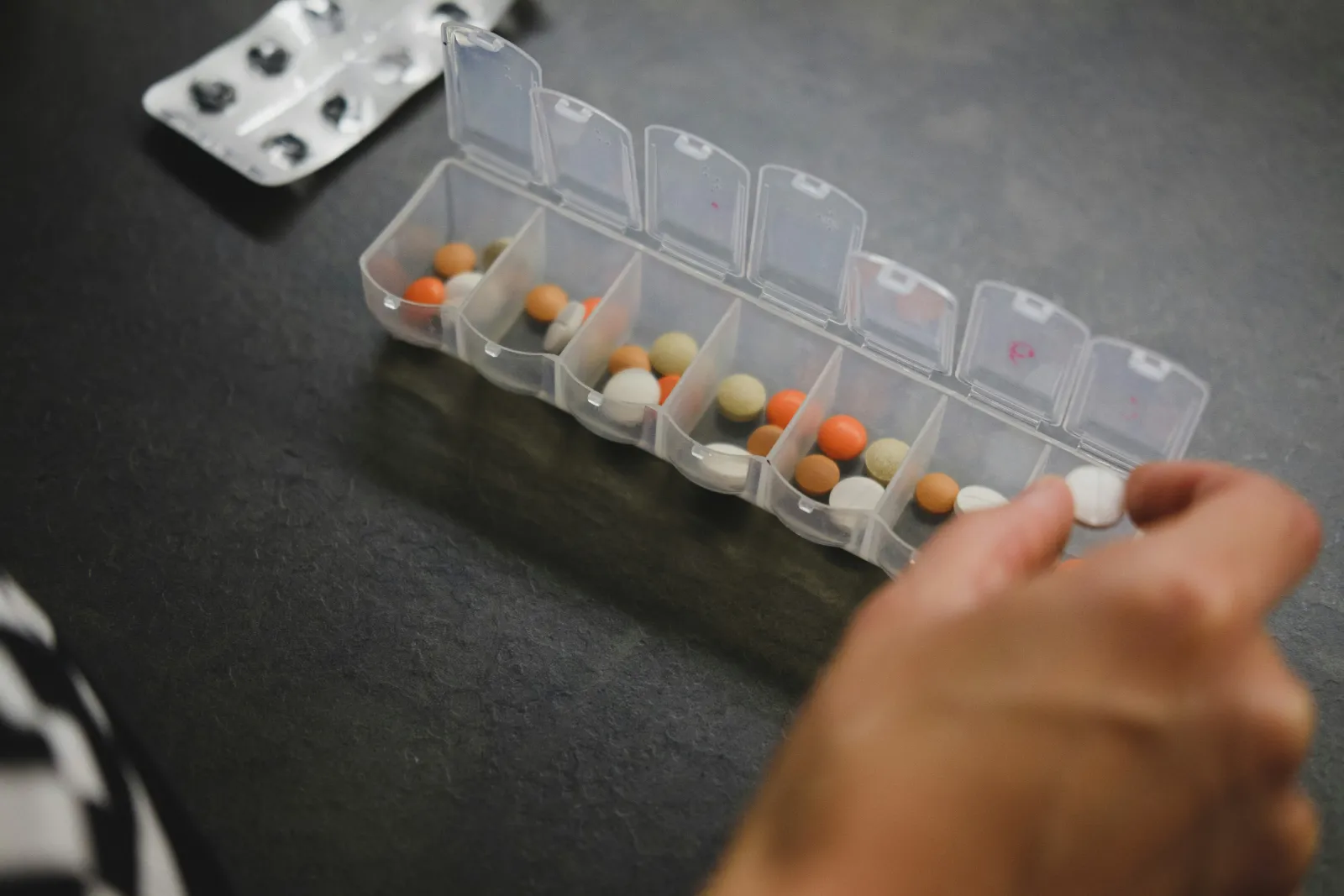
Here's something that surprises a lot of people when they first get on Medicare: prescription drugs aren't automatically covered.
Original Medicare — Parts A and B — covers hospital stays, doctor visits, and outpatient care. But the medications you pick up at the pharmacy? That's a separate program entirely. It's called Part D, and if you don't sign up when you're first eligible, you could face a penalty that follows you for life. The good news: Part D has gotten significantly more affordable in 2026.
What Is Medicare Part D?
Medicare Part D is prescription drug coverage offered through private insurance companies that are approved and regulated by Medicare. You can get Part D two ways:
- Standalone Prescription Drug Plan (PDP): A separate drug plan you add on top of Original Medicare.
- Medicare Advantage with Drug Coverage (MA-PD): If you're enrolled in a Medicare Advantage plan, drug coverage is usually already bundled in. You generally cannot enroll in a separate Part D plan on top.
Every Part D plan has its own formulary — the list of covered drugs — along with its own cost structure and pharmacy network. Two plans in the same ZIP code can look very different in terms of what they cover and what you'll pay.
What's New in 2026: The $2,100 Out-of-Pocket Cap
Big change for 2026: there's now a hard $2,100 annual cap on what you pay out of pocket for prescription drugs under Part D. Once you hit that limit, your plan covers 100% of your drug costs for the rest of the year — a major improvement over previous years, when catastrophic drug costs had no real ceiling for many enrollees.
There's also a new option to spread your out-of-pocket costs evenly across the year through a monthly payment plan — so instead of paying a large amount all at once when a medication is expensive, you can smooth it out month by month. For anyone managing chronic conditions or high-cost medications, this is genuinely meaningful relief.
What Does Part D Cost in 2026?
| Cost Component | 2026 Details |
|---|---|
| Monthly Premium | Varies by plan; base beneficiary premium is $38.99. Many plans differ from this baseline. |
| Annual Deductible | Up to $615, depending on the plan. Some plans have $0 deductibles. |
| Copays & Coinsurance | Varies by drug tier and plan. Lower tiers (generics) cost less; specialty drugs cost more. |
| Out-of-Pocket Cap (NEW) | $2,100 per year — after this, your plan covers 100% of drug costs. |
| Late Enrollment Penalty | 1% of the national average premium for every month you were eligible but didn't enroll. Permanent. |
Understanding Drug Tiers
Every Part D plan organizes its covered drugs into tiers — typically five levels, from least to most expensive.
| Tier | Drug Type | Your Cost |
|---|---|---|
| Tier 1 | Preferred generic drugs | Lowest copay (often $0–$5) |
| Tier 2 | Generic drugs | Low copay (typically $5–$15) |
| Tier 3 | Preferred brand-name drugs | Moderate copay ($30–$50) |
| Tier 4 | Non-preferred brand-name drugs | Higher cost ($60–$100+) |
| Tier 5 | Specialty drugs | Highest cost — often 25–33% coinsurance |
Plans can move drugs between tiers from year to year. A medication that was a Tier 2 generic last year could become a Tier 3 brand name this year — and your copay could triple overnight. This is why reviewing your Part D plan every fall during the Annual Enrollment Period matters.
Meet Evelyn — When the Wrong Plan Cost Real Money
Evelyn is 69 and lives in Huntington Beach. She takes four medications daily — two for blood pressure, one for cholesterol, and one for thyroid. When she first enrolled in Part D, she picked the plan with the lowest monthly premium.
What she didn't do was check whether her specific medications were on that plan's formulary. Two of her four drugs weren't covered at the preferred tier. Her actual monthly drug cost ended up being significantly higher than if she'd chosen a plan with a slightly higher premium but better drug coverage for her situation.
The lesson isn't complicated: the cheapest premium isn't always the cheapest plan. You have to look at the whole picture.
How to Choose the Right Part D Plan
- Check your drugs against the formulary. Make sure every medication you take is covered — and note which tier it falls in.
- Check your pharmacy. Confirm your preferred pharmacy is in-network. Using an out-of-network pharmacy can dramatically increase your costs.
- Compare total annual costs — not just premiums. Add up the premium, deductible, and estimated drug costs based on your actual medications.
- Review Star Ratings. Medicare rates Part D plans on a 1–5 star scale for quality and customer service.
- Check for Extra Help eligibility. If your income and resources are limited, the Extra Help program can significantly reduce your Part D costs.
The Late Enrollment Penalty
Part D is technically optional — but skipping it when you're first eligible isn't free. If you go without creditable drug coverage for 63 or more consecutive days after your Initial Enrollment Period, you'll face a permanent late enrollment penalty.
The penalty is 1% of the national average Part D premium for every month you were eligible but unenrolled. It gets added to your monthly premium and never goes away. Even if you feel healthy now and don't take many prescriptions, enrolling in a low-cost Part D plan protects you from this penalty — and from the unexpected.
Make sure you're in the right Part D plan.
A 15-minute formulary review during AEP can save hundreds of dollars a year. We'll compare plans in your area against your actual prescription list — for free.
Book a free call